Elon Musk Recovers $55 Billion Tesla Package After Court Ruling
Elon Musk Recovers $55 Billion Tesla Package After Court Ruling
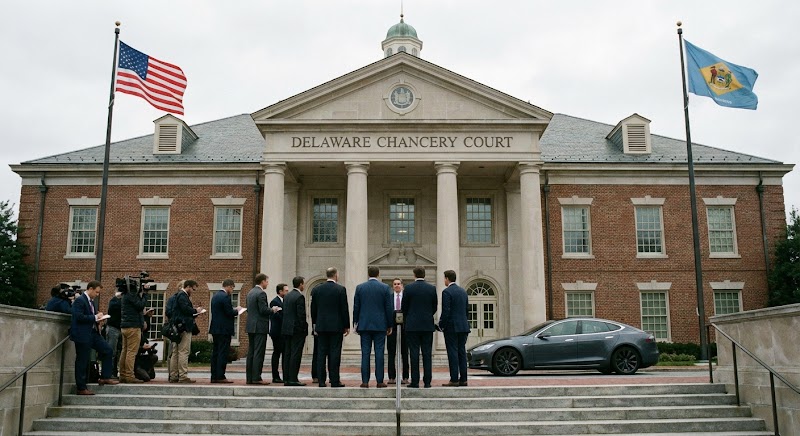
The legal saga that challenged the largest compensation package in corporate history has taken a script-worthy turn. The Delaware Supreme Court has overturned a previous ruling and greenlit the $55 billion payment to Elon Musk, a deal originally struck with Tesla in 2018. The decision not only returns an astronomical sum to Musk but also adds fuel to one of the most heated debates in the business world.
Initially, a lower court judge had voided the deal, calling it 'an unfathomable sum' and criticizing the approval process by Tesla's board, which was deemed to have failed in its independence. The argument was that the directors, with close ties to Musk, did not negotiate with the necessary rigor, awarding an excessive prize without proper transparency with shareholders.
But the tables have turned. The new ruling validates the package's structure, which was tied to extremely ambitious performance goals. For its supporters, the logic is simple and direct: Musk delivered. Under his leadership, Tesla not only met but shattered the market value and operational targets that seemed nearly impossible at the time. The company's valuation increase from about $50 billion to peaks exceeding $1 trillion is the main trophy displayed by those who support the compensation. The argument is that all shareholders who believed in Musk's vision reaped extraordinary rewards, and the CEO did nothing more than receive his agreed-upon share.
On the other side of the trench, the criticisms are equally sharp. It is questioned whether such a monumental amount is justifiable, regardless of the results. For critics, the case exposes serious flaws in corporate governance, where boards can be overly influenced by iconic CEOs. The debate deepens: does an executive, even one who has multiplied the company's value, need an incentive of tens of billions of dollars? Wouldn't Musk's own personal fortune, already vast, be motivation enough?
The court ruling in Delaware comes at a delicate time, shortly after Tesla shareholders voted, in a symbolic move, to change the company's headquarters to Texas. Many saw this maneuver as a direct response from Musk to what he considered a hostile legal environment in Delaware. Now, with this victory, the scenario becomes even more complex and fuels narratives of power, reward, and the limits of executive compensation.