Strategic Analysis of Epigenetic Technology: Potential and Risks
Strategic Analysis of Epigenetic Technology: Potential and Risks
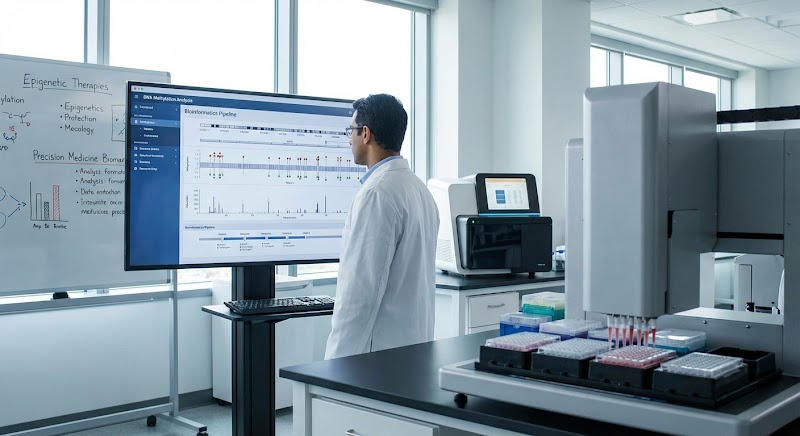
The human genome, once considered the definitive instruction manual for life, is merely the hardware. The true operational complexity lies in the software that runs it: the epigenome. And it is precisely the ability to read and, potentially, rewrite this software that defines the frontier of epigenetic technology.
Forget the idea that DNA is an immutable destiny. Epigenetics studies the chemical modifications that act on the genome to activate or silence genes without altering the nucleotide sequence. Think of it as the metadata layer of biology, where environmental factors, lifestyle, and aging leave molecular signatures that govern cellular function.
The market's interest is not academic. It is driven by a pragmatic reality: many complex diseases, such as cancer, diabetes, and neurodegenerative disorders, have a stronger epigenetic component than a purely genetic cause. The ability to detect these patterns opens a new paradigm for early diagnosis and precision medicine, moving the industry beyond pure genomic sequencing.
The Race to Read the Epigenome
Decoding the epigenome depends on technologies capable of mapping two main mechanisms: DNA methylation and histone modifications. Methylation acts like a dimmer switch, regulating the intensity of gene expression. Modifications to histones, the proteins that package DNA, alter the physical accessibility of the genetic code to cellular machinery.
Technologies like bisulfite sequencing (BS-seq) have become the gold standard for mapping methylation at a single-base level, but their cost and the DNA degradation they cause are barriers to clinical scalability. New approaches, such as enzymatic sequencing, promise higher fidelity and lower cost per sample, fueling a technological race between giants like Illumina and biotech startups.
The real challenge, however, is not just reading the data, but interpreting it. The epigenome is dynamic and cell-type specific. This creates a signal-to-noise problem that is exponentially more complex than in genomics. A methylation biomarker detected in a liquid biopsy (cfDNA) needs to be traced back to its tissue of origin with extremely high precision to have diagnostic value.
| Characteristic | Epigenetic Diagnostics | Traditional Genetic Testing |
|---|---|---|
| Analyzed Target | Methylation patterns, histone modifications. | Mutations in the DNA sequence (SNPs, InDels). |
| Signal Nature | Dynamic, reversible, influenced by the environment. | Static, inherited. |
| Main Application | Early disease detection, therapy monitoring. | Diagnosis of monogenic diseases, hereditary risk. |
| Main Challenge | Data interpretation (tissue specificity). | Incomplete penetrance (having the gene doesn't guarantee the disease). |
| Therapeutic Potential | Drugs that reverse epigenetic modifications. | Gene therapy (correction of the DNA sequence). |
Biomarkers as Currency in the New Diagnostics Economy
The most immediate impact of epigenetic technology is in cancer diagnostics. Companies like Grail (acquired by Illumina) and Guardant Health are at the forefront of developing liquid biopsy tests that detect circulating tumor DNA fragments and analyze their methylation patterns to identify the presence and origin of cancer even before symptoms appear.
This approach transforms early detection. Instead of searching for a rare and specific mutation, algorithms look for epigenetic signatures that are common to various types of tumors. The result is a test with the potential to screen for dozens of cancers simultaneously from a single blood sample. The addressable market is colossal, and the clinical validation of these tests will dictate the future of preventive oncology.
In the pharmaceutical industry, epigenetics opens a new field for drug development. There are already approved drugs that inhibit enzymes responsible for epigenetic modifications, so-called "epidrugs." They work by reactivating tumor suppressor genes that have been silenced by cancer. The race is now on for more specific compounds with fewer side effects, capable of modulating the epigenome in a controlled manner.
The Noise in the Data: The Dilemma Threatening Therapies
Despite the optimism, the obstacles are significant. The biggest one is distinguishing between correlation and causation. Is an epigenetic alteration observed in patients with a disease the cause or a consequence of the pathological process? Answering this question is crucial for developing effective therapies. Targeting a marker that is merely a symptom is a pharmacological dead end.
Bioinformatic complexity is another bottleneck. The analysis of epigenomic data requires massive computational power and sophisticated machine learning algorithms to identify relevant patterns amidst an ocean of biological noise. The lack of standardization in sample collection, processing, and analysis methods makes it difficult to compare results between different studies, slowing progress.
Finally, there are the ethical issues. What does it mean to know your "epigenetic age," a measure of biological aging based on methylation patterns? Could insurance companies use this information to adjust premiums? How does the potentially reversible nature of epigenetic marks affect our concept of personal responsibility for health? These are questions that regulation has not yet begun to seriously address.
The advancement of epigenetic technology will not occur in a vacuum. Its success will depend on integration with genomic, proteomic, and metabolomic data—a multi-omics approach. The future vision is not to choose between DNA and the epigenome, but rather to build a complete digital model of an individual's health status.
The next frontier, still distant, is epigenetic editing. Using CRISPR-based systems (like dCas9), scientists can already, in the laboratory, activate or deactivate specific genes without cutting the DNA, simply by adding or removing epigenetic marks. The transition of this capability into a safe and effective therapy represents the ultimate goal, but the road is long and paved with technical and bioethical challenges that will define the next decade of biotechnology.