The Silent War Against AI: Your Electricity Bill is the Battlefield
AI's progress is powered by massive data centers that consume enormous amounts of energy and water. Discover the growing global conflict as local communities fight back against the environmental and social costs of the tech revolution.
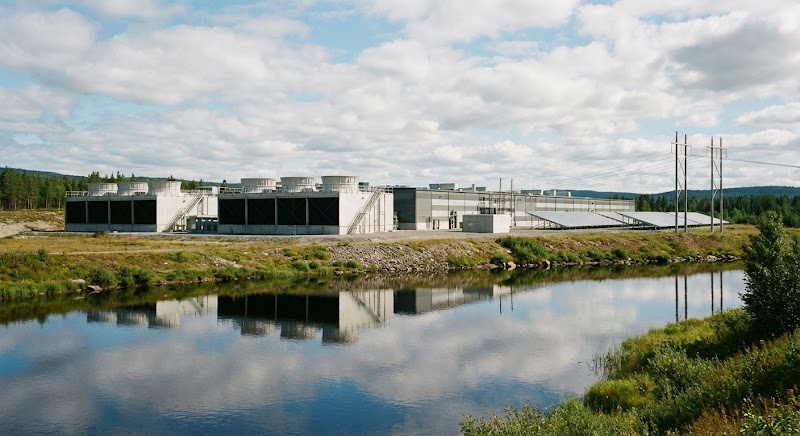
The magic of AI has a body. And it's hungry.
We live in an era of digital magic. With a command, ChatGPT writes a poem, Midjourney paints a work of art, and complex algorithms optimize our lives in ways we can barely perceive. It's easy to be enchanted by this ethereal intelligence that seems to live in the cloud. But the truth is noisier, hotter, and much hungrier.
The cloud is not a place. It's a building. Thousands of them, in fact. These are the data centers, the colossal and anonymous factories that give body and strength to the artificial intelligence revolution. And while we celebrate digital progress, a silent rebellion is growing in the backyards where these factories are built. Ordinary citizens are beginning to wonder if the magic is worth the price.
The real cost behind the click
For decades, data centers were seen as a sign of progress: jobs, technology, and modernity. But the scale required by generative AI has changed the game. The new data centers are consumption monsters, and their demands are becoming impossible to ignore. The impact is real and measured in tangible resources:
- Voracious energy: A single AI data center can consume as much electricity as tens of thousands of homes. The International Energy Agency estimates that the sector could consume more than 1,000 terawatt-hours by 2026 – equivalent to the consumption of all of Japan.
- Insatiable thirst: Cooling the thousands of servers requires massive amounts of water. In a world where water scarcity is already a reality for billions, diverting this resource to feed algorithms has become a point of growing tension.
- Pressure on the power grid: The demand is so intense that energy companies in the US are already warning of the risk of blackouts and the need to postpone the retirement of coal plants to cope, undermining climate goals.
- Local impact: For those who live next door, the problem is even more concrete. The constant hum of cooling systems and the construction of new high-voltage transmission lines devalue properties and destroy landscapes.
From neighbors to activists: the rebellion has begun
What used to be a bureaucratic process of zoning approval has now turned into a battlefield. In places like Prince William County, Virginia – nicknamed "Data Center Alley" – once-sleepy council meetings now attract crowds of angry residents. They are not against technology, but they question the logic of concentrating dozens of these giants in their community, overloading the local infrastructure in exchange for a few high-skilled jobs.
This movement is not isolated. From the Netherlands to Ireland, through cities in the US, citizens are organizing, using zoning laws and political pressure to block or impose moratoriums on the construction of new data centers. They argue that Big Tech reaps the billion-dollar profits, while communities bear the environmental and social costs.
It is a classic David versus Goliath struggle, where residents, with their signs and arguments, face the lobbyists and economic projections of the largest companies on the planet. And, surprisingly, they are starting to win.
Who pays the price for progress?
Even if you don't live next to a data center, this battle is also yours. The pressure on national power grids can mean higher electricity bills for everyone. The massive consumption of water and the demand for energy from non-renewable sources have a global climate cost that we will all pay.
The AI revolution is undoubtedly one of the greatest technological leaps of our generation. But it forces us to ask uncomfortable questions about the growth model that sustains it. Is progress at any cost really progress?
The central question is not about being for or against artificial intelligence. The technology is already here. The real question is about the terms of this new social contract. Who should define the limits of technological advancement: the corporations that sell it or the communities that have to live with its most physical and noisy consequences?